
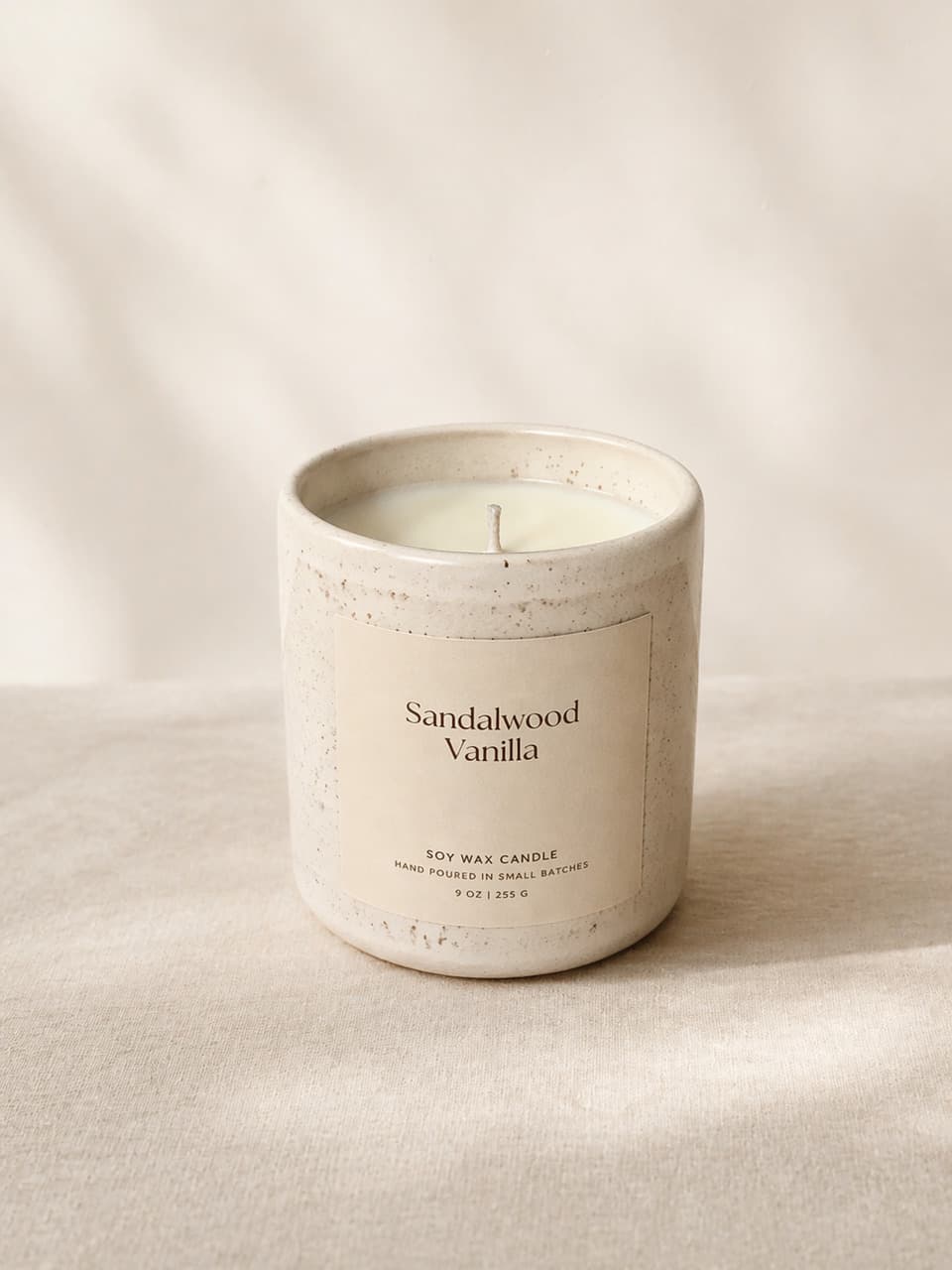
AI product photos and Etsy policy: what is safer vs riskier for handmade listings
Handmade sellers ask this more than any technical question: “If I use AI on my photos, will Etsy have a problem?”
This is not legal advice, and Etsy can update its rules. Read the current handmade and listing policies yourself. The practical test is older than any model: does the photo honestly represent the item you will ship?
CraftShot is designed around that test. The Etsy listing workflow changes background, light, and composition. It should not invent a different candle, necklace, or pouch.
What buyers and marketplaces actually punish
Shoppers complain when the object in the photo is not the object in the box. Marketplaces care about the same gap.
The risky part of AI is not “a cleaner background.” The risky part is a new product: a sharper label than you printed, a thicker chain than you soldered, a glaze you do not mix, a size the jar does not have.
If a picky buyer would say “this is not what I ordered,” the image was too far from the source.
Safer: improve the scene around a real product
These uses stay closer to an honest listing:
- Upload a photo of the item you actually sell
- Keep shape, label, color, texture, and visible handmade marks
- Change only the table, wall, daylight, props, and crop
- Use a graphic overlay to state facts you already stand behind: materials, scent notes, care, made-to-order timing
- Review every export against the physical product before you publish
That is the same promise as the product itself: same product, better photos. It is also the pattern used in our candle and jewelry guides.
A kitchen-table source can become a quieter cover image or a warmer gift scene. The jar still has to be your jar.
Riskier: let the model become the maker
These patterns create the most listing risk:
- Generating a product you have not made yet, then selling it as ready-to-ship
- Changing the label text, logo, or stamp so the photo “looks more premium”
- Shifting metal from gold to silver, wax from cream to white, or glaze from matte to glossy
- Inventing a back view, a size comparison, or a second colorway that you did not photograph
- Showing a perfect factory finish on a piece that is visibly handmade
- Using someone else’s product photo as if it were yours
If you need a second angle or a scale shot, photograph the real object. Generated scenes cannot replace evidence that was never in the frame.
Handmade listings have a higher bar, not a lower one
Etsy shoppers buy handmade because they want this object: this pour, this solder joint, this uneven rim. AI that “fixes” those details is not helping you. It is advertising a different shop.
When you review a generated image, look at the handmade cues first:
- Label placement and spelling
- Wax fill line or lid fit
- Chain links, clasp, and stone color
- Knit rows, leather edges, glaze breaks
If those moved, the scene is not worth the click-through.
A policy-minded publishing checklist
Before a photo goes into an Etsy slot:
- Put the file next to the source photo.
- Confirm shape, label, color, and texture still match.
- Confirm you are not claiming a view, size, or variant you do not have.
- Keep any real process or scale photos you already shot.
- Write listing copy that matches the images. Do not let a graphic post promise a scent or metal you do not sell.
- If you are unsure, keep the honest source photo.
CraftShot does not publish to Etsy for you. You stay in control of what goes live. Open the workspace, generate only the jobs you need, and spend credits on frames you are willing to stand behind.
The short version
Safer: real product, better room.
Riskier: better-looking product that does not exist.
If you remember only one line, remember this: the background can change; the product you ship cannot.