
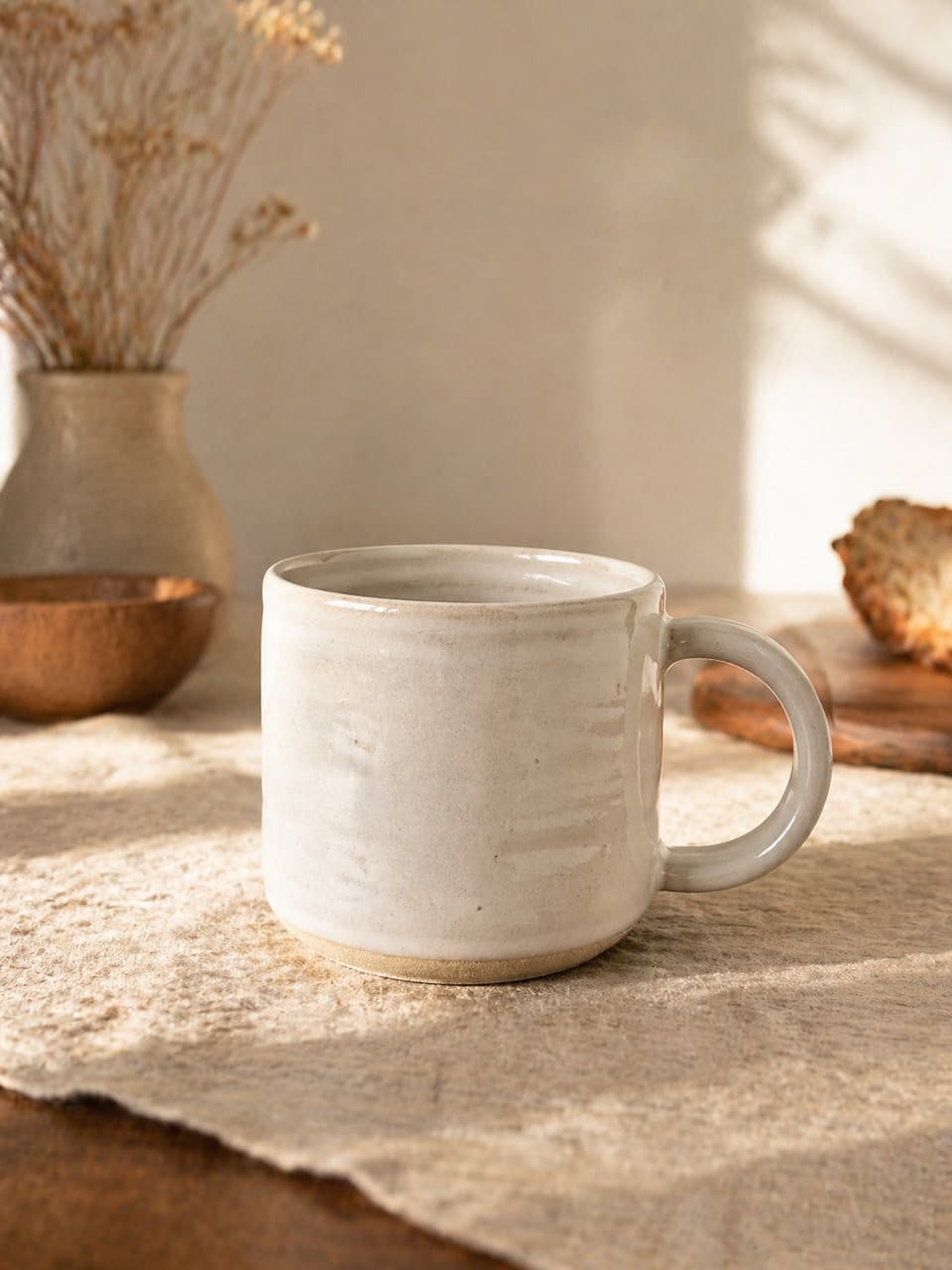
How to speed up shop content without losing the handmade feel
Small shops often have the hardest content job. You are the maker, photographer, copywriter, merchandiser, and support team. The answer is not to make everything look generic. The answer is to create repeatable image workflows that still respect the product.
Keep the source photo honest
Use a real product photo as the anchor. It does not need to be perfect, but it should be clear enough to show the shape, color, material, and details that matter.
This gives every generated image something stable to preserve.
Choose styles by selling job
Do not generate random variations just because you can. Pick styles by the job they need to do:
- Clean listing image for inspection
- Lifestyle scene for context
- Gift-ready image for gifting intent
- Social crop for discovery
- Graphic post for explanation
Reuse a small style system
A shop looks more professional when images share a visual language. Repeat similar surfaces, light, crops, and color temperature across products.
This does not make the shop boring. It makes the catalog easier to trust.
Save the handmade cues
Handmade products often sell because of small details: glaze variation, botanical texture, metal finish, label design, stitch tension, or cut edges.
When you review generated images, look at those details first. A beautiful scene is not useful if it changes what the customer will receive.
Build content in batches
Batch work by product or by style. For example, create clean listing images for five products, then lifestyle images for the same five, then social crops.
Batching keeps your decisions consistent and makes launch prep less exhausting.
The goal is simple: faster content, same product, more confidence for the buyer.